
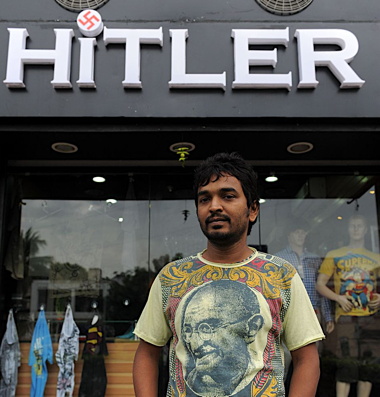
ALMOST PRECISELY seventy years ago, in March of 1942, Winston Churchill dispatched his Marxist-leaning cabinet minister and political rival Stafford Cripps to secure India’s co-operation in the war against Hitler. Partly a result of the well-founded suspicions of Indian nationalists — chief among whom were Jawaharlal Nehru, Rajaji, Subhas Chandra Bose and Mohandas Gandhi — but mostly the result of Churchill’s covert efforts, the negotiations of the Cripps mission failed (as Churchill all along intended). In the subsequent months Gandhi, anticipating a German-Japanese victory, led his colleagues in the Quit India movement, demanding the withdrawal of Britain and immediate Indian independence.
 Journalism, Essays, Broadcasting, Books