
In this interview with Chelsea Vowel, we discuss the recent Bill C-33 – the First Nations Control of First Nations Education Act. Download Bill C-33 here. Visit the AFN’s website here.
Download entire podcast (320 kbps mp3)
Follow me on Twitter



THE CURRENCY of the word outpouring was notable this week: over at the National Post, Michael Den Tandt has not only described the phenomenon, but indulged it himself. His essay “Former finance minister Jim Flaherty’s death leaves a void in the Conservative party” issues high praise, pressing Kipling and Aristotle into the service of a lush panegyric. Again, nothing unusual here – it’s what everyone is doing these days, not only at the National Post, but elsewhere.

A LARGE CITY, Toronto has many restaurants. There’s no shortage of the ordinary, the mediocre and the downright bad. Today we are considering the two principal types of dining establishments held forth by their champions as good.

IN SO MANY PLACES, and at so many times throughout human history, men have known the economic and political and social advantages of patriarchy. Biology has been helpful also: men are larger and stronger than women – not in every case, of course, but as a tendency. Being a man is, for the most part, a good deal. There is also the downside, and it would be impossible to represent life as a man without speaking of this also.
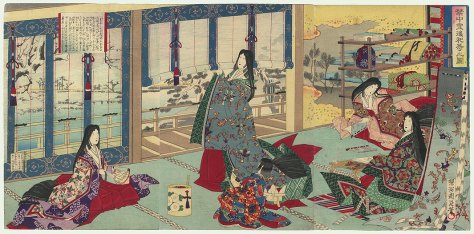
A PILLOW BOOK is an open-ended and spontaneous collection of fragments, and as such may include lists, observations, poems, short personal essays and diary entries. A precursor of the genre zuihitsu (random jottings – the more literal meaning to proceed, or follow, with a brush), this literary form made its appearance under the title Makura no Sōshi, or Notes of the Pillow, one thousand years ago.

IN THE LATEST Roundtable Toronto Podcast, episode 65, Mandy, Greg, Andy and I discussed the social media. We talked about who was using what, how the respective media differ, and the contrasting uses and limitations of each. The consensus at the table, so far as I could infer one, was that some media are more social than others: if you’re looking for engagement and conversation, you’ve found that media are not created alike.
• Week of 06.04.2014

Download entire podcast (320 kbps mp3) | Visit The Roundtable on Facebook.
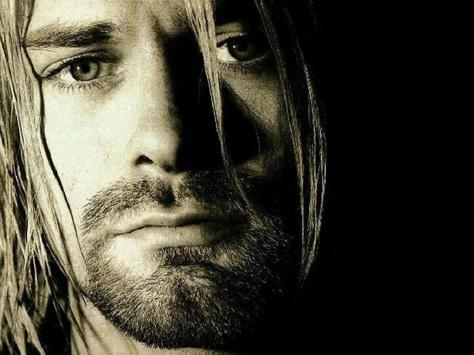
KURT COBAIN WAS NOT a generation’s representative, a spokesperson, or even a rock star. Many tried to press him into these and other molds, much to his frustration, but it happens that he was a songwriter always on the search for a new sound. When he died, by medical estimation on the fifth of April in 1994, some (among them R.E.M.’s Michael Stipe) believed he was about to abandon the grunge formula for which he had become known. There is evidence he was about to quit music altogether. In any case, the posthumous album, MTV Unplugged in New York, is the best indication we have of the band’s unrealized prospects. Perhaps Nirvana’s most accessible and widely known recording, Unplugged is an accomplished example of musical understatement, disclosing Cobain’s intuitive ability to compose songs (or in the case of The Vaselines, Meat Puppets, Lead Belly, and David Bowie covers, select them) which complement his particular vocal and playing styles.
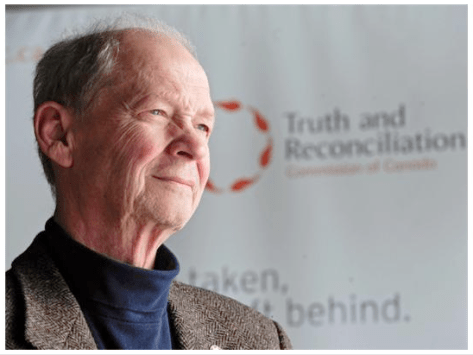
IT’S A COLD BUT sunny day in Edmonton as I cross Jasper Avenue and approach the front doors of the Shaw Centre, the venue for the final national event of Canada’s Truth and Reconciliation Commission. Streaming out one door is a large group of non-aboriginal teens, chatting, laughing, doing a bit of good-natured jostling. It’s Education Day at the TRC event, and a good number of local schools have arranged for their students to attend, no doubt hoping that the kids will not only learn about the work of the TRC and the reason for its establishment, but also gain something from the experience of sharing the event with thousands of their First Nations neighbours. Have they? I wonder.
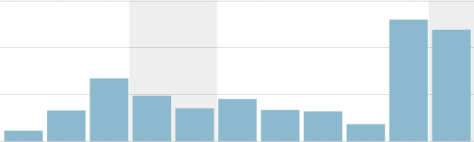
I‘VE BEEN AT WORDPRESS for fifty-one months now, and I’ve posted 550 entries. Just for the heck of it, I’ve spent several weeks studying the data I’ve collected from the WordPress “dashboard” as well as from other sources. I drilled down into the data, as you kids like to say, until I hit oil. Now I’m rich, so screw you. This will be my last entry.
Kidding!

NOW THAT CANADA’S ten-month Winter season is over, and it’s finally almost sort-of kinda like Spring-ish, everyone is outside. The smokers are spending more time than in recent months out on the fire escape of my building, chatting with one another about the issues of the day: how to make your hair smell nice, who said what about who on Facebook (like omg!) and how amazing Katy Perry is. Yes, it’s like having C-SPAN and Noam Chomsky and Foreign Policy Magazine, all on the other side of the thin wall that separates me from my neighbors.

HAS IT EVER occurred to you how weird it is to worry about the environment? First of all, think about the word environment. It means everything, all the stuff everywhere that’s all around you: tress, bugs, sunshine, atoms, radiation. My dictionary defines the environment as “the objects or the region surrounding anything.” Worrying about the environment is therefore about as specific and meaningful as worrying about stuff and things.

TODAY’S Philip Nitschke Sydney Morning Herald article is titled “We need a new word for suicide,” but we don’t. Whoever wrote that headline knows damn well that we have another word already, and it’s even used in the article. That word is euthanasia. What we need is to deal in a no-bullshit way with the perfectly good words we already have: because, my friends, whatever you happen to call it, suicide is the future. That’s why I’m going to use the rest of this article defending killing yourself, under certain circumstances which I’ll now describe.
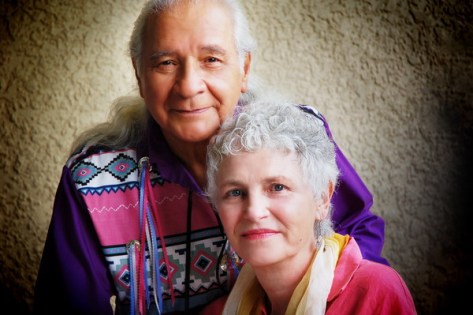
My friends and co-authors, Larry Loyie and Constance Brissenden, discuss residential schools and the forthcoming book Residential School: A Children’s History on CBC Radio.
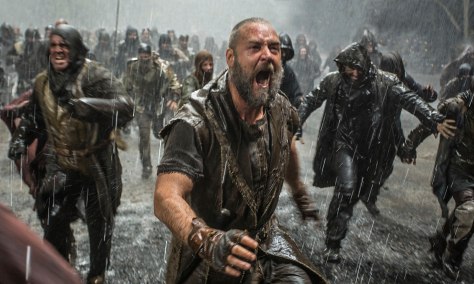
ENTIRE NATIONS have now banned the film Noah. In the United States, Christians are unhappy with a Hollywood movie that substitutes, for the all-knowing and all-mighty LORD God Almighty, a distant, Pagan deity known vaguely as “the Creator.” Aronofsky’s Noah, an emo environmentalist with a too-voguish commitment to veganism and animal rights, is widely denounced, as is the film’s non-biblical (if not anti-biblical) theme – that human sin is against Mother Earth, not God, and that redemption must be found through earth-friendly living.
 Journalism, Essays, Broadcasting, Books